


Crystal Harris: The Visionary Behind Nya Nya Couture on Crafting Confidence and Building Her Own Table
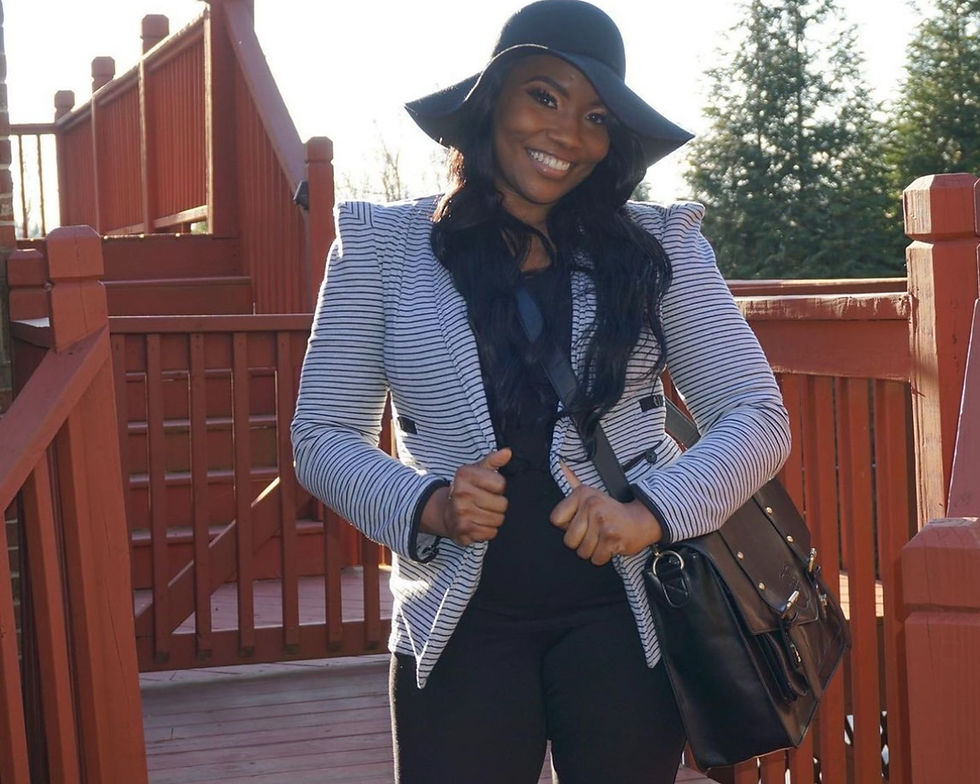
"I realized that Nya Nya Couture wasn’t just about selling high-quality garments. It was about helping women build their confidence and embrace their uniqueness."
When Crystal Harris started Nya Nya Couture in 2003, she didn't have a big budget, industry connections, or a roadmap. What she had was a personal need for fashion that actually fit. Growing up, style was how Crystal spoke to the world before she ever said a word, but she noticed a major gap in the market: luxury fashion rarely considered women with fuller calves or diverse body types.
Instead of waiting for the industry to change, Crystal decided to lead the way. Her "bootleggings" became a solution for women who wanted the look of high-end, over-the-knee boots without the discomfort or the four-figure price tag. Since then, her brand has grown into a community that prioritizes craftsmanship and real-world inclusivity over fleeting trends. In this conversation, Crystal shares how she navigated an industry that often told her to "tone it down" and why she’s now dedicated to opening doors for the next generation of designers through the Nya Nya Experience Expo.
Nya Nya Couture is all about empowering women to express themselves. Can you take us back to the moment you first realized that was the core purpose of your brand?
Crystal Harris: The moment I first realized that empowering women to express themselves was the core purpose of Nya Nya Couture came from my own personal journey. When I launched the brand back in 2003, it wasn’t just about creating clothes; it was about creating a space where women could feel powerful, confident, and unapologetically themselves.
Growing up, I was always drawn to standing out—whether it was in the way I styled my hair, my clothes, or even my attitude. Fashion became my language, my way of telling the world who I was before I ever said a word. And that’s what I wanted to translate into my designs—clothing that made women feel like they were owning the room, walking in their full power.
It really hit me one day when I was watching a woman step into one of my custom pieces for the first time. She looked in the mirror, and her energy completely shifted. There was this confidence in her presence that was undeniable, and I realized that’s what fashion should be. It’s not about the clothes—it’s about how the clothes make you feel. They’re a tool for self-expression, for women to show up as their most authentic selves.
That was the turning point. I realized that Nya Nya Couture wasn’t just about selling high-quality garments—it was about helping women build their confidence and embrace their uniqueness. Every piece I create is designed to amplify that sense of self and to remind women that they don’t need to follow trends to feel powerful. They just need to trust their own vision.
For me, the core purpose of the brand is always to empower women to express themselves boldly and fearlessly. Fashion is more than just fabric and stitching; it’s about making a statement before you even say a word.
When you launched in 2003 with limited resources, what was the very first step you took to turn your clear vision into a reality?
Crystal: When I launched Nya Nya Couture in 2003 with limited resources, the very first step I took was committing to my vision, regardless of the obstacles in front of me. I didn’t have investors, I didn’t have a large budget, and I didn’t have the industry connections that some designers might start with. But what I did have was a deep belief in what I was creating, and that was enough to take that first step.
The first thing I did was educate myself. I knew I had to learn everything about the fashion business—designing, manufacturing, distribution, marketing—because I was starting from scratch. I spent countless hours at trade shows, reading books on fashion design and business, and reaching out to others in the industry who could offer insights. Every day was a learning experience, and even when I made mistakes, I treated those moments as lessons rather than setbacks.
The next thing I did was start building relationships. Without a large budget, I couldn’t just buy the best fabrics or hire a big team, but what I could do was connect with other like-minded people—manufacturers, small-scale artisans, and independent fashion professionals who were also in the game and looking to build. I didn’t have the luxury of a factory or a design house backing me, so I had to learn how to source my materials wisely and build trust with the people who helped bring my vision to life.
The third key was taking the first leap—I decided to create my first collection, even if it was small. I didn't wait for everything to be perfect. I just jumped in, creating pieces that reflected my vision and showed them to the world. I took them to trade shows, to clients, to potential buyers, and the response I got told me I was on the right track.
It was about having the courage to take that first step—even if I didn’t know all the answers or have everything I needed at the time. Once I committed to the vision, the rest began to unfold.
Your signature “bootleggings” were a revolutionary idea. What specific problem were you trying to solve for women when you first designed them?
Crystal: The idea for bootleggings came from a very personal place. As a woman who loves fashion, I’ve always been drawn to luxury boots—especially those high-end, over-the-knee designs from Italian designers that can cost thousands of dollars. But like many women, I was faced with a couple of challenges: not only were these boots out of my price range, but they were also often uncomfortable, especially for women with fuller calves like myself.
I realized there was a gap in the market: stylish, high-end boots that were both luxurious and functional for women with different body types. Most luxury brands weren’t catering to the needs of women with fuller calves, and the idea of spending thousands of dollars on a pair of boots that weren’t going to fit well or feel comfortable didn’t sit right with me.
Instead of just accepting that limitation, I decided to create a solution—and that’s how bootleggings came to life. I designed a custom leather upper that could be worn over any shoe, transforming it into a couture-looking boot. It was a simple, yet revolutionary idea that gave women the ability to instantly transform their look, get the luxury they wanted, and still have the comfort they needed.
But it wasn’t just about affordability or comfort—it was also about empowerment. The bootleggings weren’t just about solving a physical problem—they were about helping women feel more confident. It’s not just about wearing something beautiful; it’s about wearing something that works for your body and makes you feel powerful when you walk into a room.
The success of the bootleggings showed me something important: fashion isn’t just about creating something beautiful—it’s about solving real problems for real women. That’s when I realized that my work wasn’t just about creating garments; it was about creating solutions that elevated women’s lives, from the inside out.
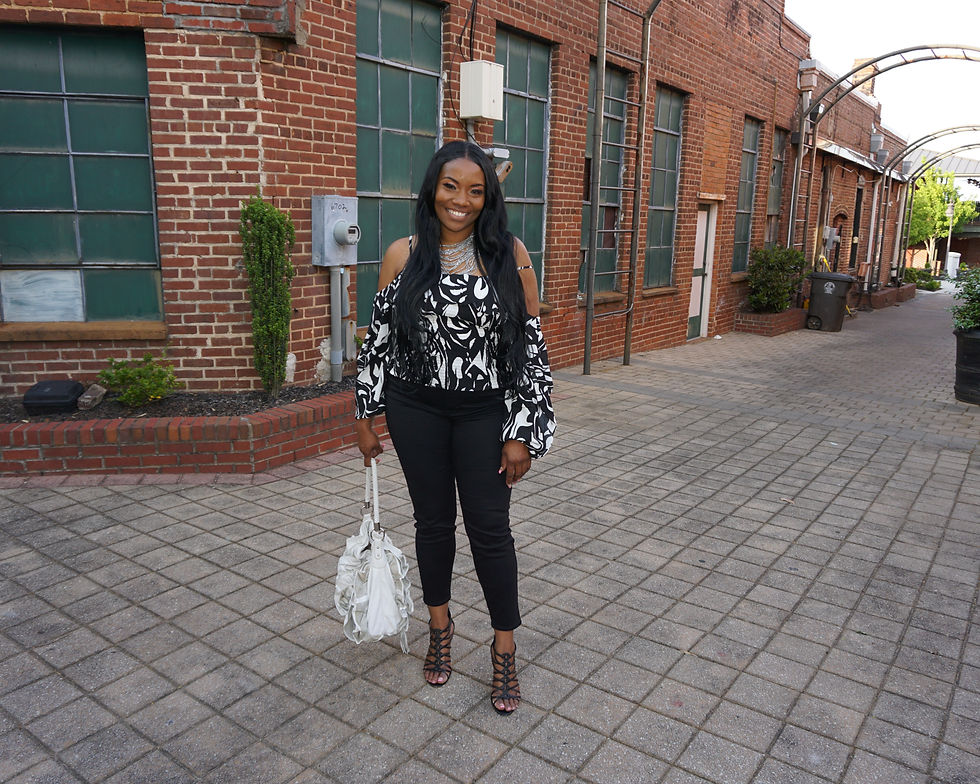
When it comes to the struggle women with fuller calves often have, how did that focus on inclusivity shape the design process for the “bootleggings”?
Crystal: The struggle that women with fuller calves face when it comes to finding stylish boots has always been a topic close to my heart. As a woman who loves fashion, I’ve always appreciated luxury footwear—but I quickly realized that many of the beautiful, high-end boots on the market weren’t designed to accommodate women with different body types. That’s when I began thinking about how I could create something that bridged the gap between luxury and inclusivity.
When I designed the bootleggings, I knew that the focus on inclusivity had to shape every aspect of the design process. It wasn’t just about making a product that looked good; it had to fit a range of body types without compromising on style or comfort. I wanted to create something that allowed women to wear the boots of their dreams, without feeling restricted by traditional sizing limitations.
The key was flexibility and adaptability. I didn’t just want to create a "one-size-fits-all" solution. Instead, I crafted the bootleggings with a stretchable back panel that could accommodate women with fuller calves, making sure they would fit comfortably without feeling too tight or too loose. The genuine leather also helped to mold to the shape of the leg, creating a custom fit that still had that high-end, luxury feel. The idea was to empower women to feel confident in boots that fit their body shape, rather than settling for something that didn’t quite work.
The design process was rooted in understanding the real needs of women who struggled to find boots that fit well while still looking fashionable. By focusing on inclusivity, I was able to provide a solution that wasn’t just functional—it was fashionable, luxurious, and empowering. The moment I saw women wearing the bootleggings and walking taller because of how great they felt in them, I knew that the design had succeeded in more ways than I could have imagined.
As a woman of color in the fashion industry, what’s one piece of early advice you received that proved completely wrong, and what did you learn from that experience?
Crystal: As a woman of color in the fashion industry, I’ve received plenty of advice—some helpful, and some that just didn’t resonate with my journey. But one piece of advice that proved completely wrong was the idea that I needed to conform to industry standards to succeed. I remember hearing from multiple people, both inside and outside the fashion world, that I should "tone down" my designs or fit into a box—design the way other designers were doing, follow trends, and make my work "more acceptable" to the masses.
At first, I tried to listen. I experimented with designs that were "safer," trying to fit into the mold others had set for me. But the more I tried to follow what everyone else was doing, the more my work felt hollow, uninspired, and disconnected from what I truly believed in. My designs started to lose their edge, and I found myself questioning why I started in the first place.
It was a turning point when I realized that my authenticity was my greatest strength—not just in my designs, but in my entire journey. The truth is, I never got into fashion to blend in. I got into it because I had something unique to offer—something that came from my perspective, my experiences, and my bold vision. The advice to "fit in" wasn’t just wrong—it was stifling. It took me a while, but I eventually found the courage to step into my own creative space, unapologetically.
What I learned from that experience is that originality and authenticity are non-negotiable. In a crowded industry, it’s not the designers who play it safe who stand out—it’s the ones who trust their vision, their instincts, and their own voice. By staying true to what made me different, I was able to carve out my own lane. Today, that authenticity is the foundation of Nya Nya Couture—it’s what makes the brand truly distinct.
So, my advice to any aspiring designer or entrepreneur is this: don’t let anyone make you feel like you have to compromise your vision. Your uniqueness is your power. Trust it, own it, and let it lead you to places no one else can go.
You’ve had to navigate a landscape that didn’t always support diversity. How do you define “resilience” in the context of your journey as an entrepreneur?
Crystal: Resilience to me is not just about bouncing back from setbacks—it’s about staying committed to your vision despite the obstacles, doubts, and challenges that come your way. As an entrepreneur, especially as a woman of color in an industry that hasn’t always been inclusive, resilience means having the courage to keep going even when the odds are stacked against you.
In the early days of building Nya Nya Couture, I faced so many moments where I had to keep pushing through the noise—the opinions that said I wouldn’t succeed, the doors that closed, and the moments of self-doubt when I wondered if I was on the right path. But resilience was about finding strength in those moments, even when it felt like the world wasn’t ready for what I had to offer. I had to trust that my perspective—my voice—was valuable, even when it wasn’t immediately recognized or accepted by the mainstream fashion industry.
It wasn’t just about overcoming challenges—it was about staying authentic to who I was and refusing to let external pressures dilute my vision. There were times when I was told that my designs were "too different" or "too bold," but I refused to conform. Resilience, for me, was about staying the course and finding solutions instead of succumbing to the barriers that tried to hold me back.
But resilience is also about learning and evolving. I had to continuously educate myself, build relationships from the ground up, and push through moments where I felt like I didn’t belong. As a woman of color, there were fewer opportunities and fewer people who looked like me in positions of power. But I used that as fuel to create a seat at the table. Resilience is about building your own table when the traditional ones aren’t ready to welcome you.
Ultimately, resilience is the ability to keep evolving, to stay grounded in your purpose, and to never let the challenges stop you from making your mark. Every time I faced an obstacle, I reminded myself that it wasn’t about being perfect—it was about being persistent. I knew that if I kept pushing forward with integrity, creativity, and belief in myself, I would eventually build something that couldn’t be ignored.
You commit to “authenticity and craftsmanship.” Can you give us a real-world example of what that looks like day-to-day at Nya Nya Couture?
Crystal: Authenticity and craftsmanship are the pillars of Nya Nya Couture, and that commitment shows up in every detail of our day-to-day operations. It’s not just a buzzword for me—it’s how we approach every step of the design and production process, from concept to finished piece.
Let me give you a real-world example of what this looks like at Nya Nya Couture. One of the first things I do when designing a new collection is immerse myself in the materials. I believe that great craftsmanship starts with choosing the right materials. We use only genuine leather, exotic furs, and high-quality fabrics because they not only elevate the look but also the feel of the garment. Every piece is designed to make a statement and serve a purpose—it’s not just about being beautiful; it’s about being functional and durable, too.
When we work with our artisans, we focus on precision. Every stitch matters, every cut, every seam is intentional. We don’t rush the process. When it comes to creating pieces like the bootleggings, for example, the craftsmanship is essential to making sure they fit every body type perfectly, while maintaining the integrity of the design. The stretch leather that accommodates women with fuller calves is hand-stitched with precision to ensure a flawless finish. We don’t use shortcuts, and we don’t cut corners. It’s about getting every detail right so the final product feels as luxurious and timeless as we envision.
On the business side, authenticity means staying true to our values—whether that’s sourcing ethically or building meaningful relationships with every person who touches our brand. We partner with manufacturers who share our commitment to craftsmanship and quality. I’ve spent years developing these relationships, and it’s all about creating a collaborative environment where the artistry can truly shine.
Every day at Nya Nya Couture, whether we’re designing, producing, or even meeting with clients, we’re focused on building a brand that’s grounded in quality, honesty, and artistry. It’s not about following trends or mass-producing—it’s about creating luxury pieces that last and make every woman who wears them feel empowered. We stay authentic by never compromising on our standards and ensuring that every item we create tells a story of true craftsmanship and visionary design.
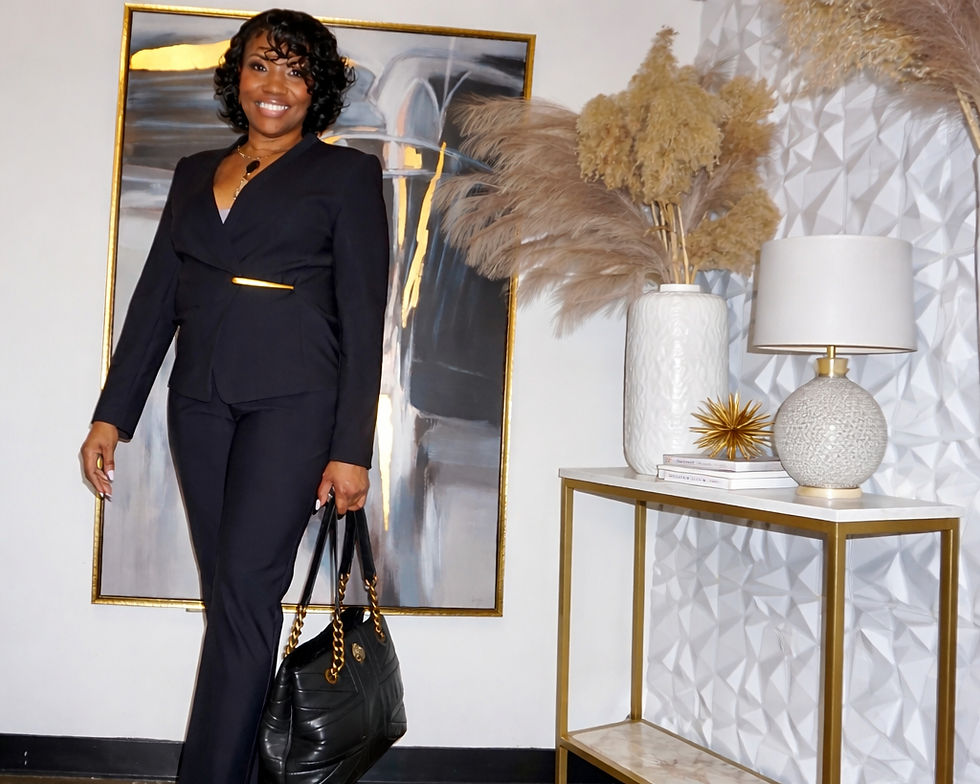
Building a successful business is challenging. What is one specific lesson you’ve learned about leadership while building and managing your teams?
Crystal: Building Nya Nya Couture and expanding into new ventures like the Nya Nya Experience Expo has taught me a lot about leadership. One of the biggest lessons I’ve learned is that effective leadership is rooted in trust and empowerment.
As a founder, it’s easy to fall into the trap of thinking you need to have all the answers or control every decision. But one of the most valuable things I’ve learned is that great leaders don’t micromanage—they inspire and empower their teams to take ownership of their roles. I’ve had to trust my team to bring their unique skills to the table, while also providing them with the freedom to innovate and think outside the box.
For example, when we were building the Nya Nya Experience Expo, I relied heavily on my team to bring the vision to life. I had the overall concept and mission, but the logistical side, the partnerships, the execution—it all depended on having the right people who could take my ideas and elevate them. I’ve learned that delegating with trust doesn’t just lighten the load; it strengthens the entire team. When people feel trusted and empowered, they go above and beyond to make sure the work is done to the highest standard.
However, trust also goes hand-in-hand with clear communication. As a leader, I’ve had to be transparent with my team about the company’s goals, challenges, and vision. It’s important to me that everyone understands the why behind what we do, not just the what. I want them to feel a sense of ownership over the work, because when they do, they care about the brand and the mission as much as I do.
Finally, I’ve learned that leadership is about adaptability. The challenges we face as a business evolve, and as a leader, I’ve had to remain flexible and ready to pivot when necessary. My team looks to me for guidance, but they also need to see that I’m willing to adjust course when things don’t go as planned. That openness to change creates a culture where the team feels supported, and it encourages them to think creatively in problem-solving.
In short, leadership has taught me that it’s not about doing it all yourself—it’s about empowering others to step into their strengths, being clear in your vision, and leading with trust and flexibility. When you get that balance right, everything else falls into place.
The Nya Nya Experience Celebrity Fashion & Beauty Expo is a great way to give back. Why was it so important for you to create a platform for emerging designers and small business owners?
Crystal: The Nya Nya Experience Celebrity Fashion & Beauty Expo is one of my proudest accomplishments because it represents everything I believe in—empowerment, education, and access. When I started my journey as a designer, I didn’t have the resources, mentorship, or platform to help me navigate the challenges that come with building a business in the fashion and beauty industries. I had to figure things out on my own, attending trade shows, studying other designers, and slowly piecing together the knowledge I needed to succeed. But not everyone has the ability to take that same journey alone.
I wanted to create a platform that bridges the gap for emerging designers and small business owners who often don’t have access to the right networks, resources, or visibility. The fashion industry is known for being competitive and sometimes exclusive, and I’ve seen so many talented entrepreneurs struggle because they just don’t have the right connections or guidance.
The Nya Nya Experience Expo was born out of the need for visibility and community. I wanted to create a space where emerging creatives could showcase their talent, but more importantly, where they could connect with industry professionals, mentors, and potential collaborators. This platform isn’t just about showcasing the latest designs—it’s about providing real opportunities to network, learn, and grow. I believe that when you provide emerging designers with a strong foundation and the right tools, it gives them the power to succeed long-term.
We bring together a community of like-minded entrepreneurs who are committed to pushing boundaries, whether that’s in fashion, beauty, or small business. The Expo gives them the chance to learn from experts, showcase their work in front of potential buyers, and most importantly, build lasting relationships that can fuel their future growth.
In the end, it’s not just about building my brand—it’s about building the entire community.
When women support women, when creatives support creatives, industries start to change. I wanted to give back in a way that empowers others to achieve their own success, just as I’ve been able to build mine.
What’s the biggest difference you see between the resources available to new designers today versus when you started Nya Nya Couture?
Crystal: When I started Nya Nya Couture back in 2003, the resources available to new designers were incredibly limited. I remember feeling like I was navigating in the dark—there was no clear blueprint, no online platforms, no networks that were specifically designed to help emerging designers like myself. I had to teach myself everything: from the business side of fashion to finding manufacturers, understanding marketing strategies, and figuring out how to gain visibility. Everything was trial and error, and it felt like there was a huge gap between where I was and where I wanted to be.
Today, the landscape has completely shifted. There is an abundance of resources that new designers can tap into. First and foremost, the digital age has made it easier for designers to connect with other creatives, mentors, and potential clients from all over the world. Social media platforms like Instagram, TikTok, and YouTube have democratized access to fashion, enabling new designers to build their brand visibility without the same barriers to entry that I faced. You can launch a brand online with minimal investment, build an audience, and even start selling direct-to-consumer, all from your phone.
There’s also a huge rise in mentorship programs and incubator platforms dedicated to supporting emerging designers. Organizations, trade shows, and events like the Nya Nya Experience Expo are now in place to provide entrepreneurs with access to industry experts, buyers, and resources that didn’t exist when I started.
Moreover, the conversation around diversity and inclusion is much louder today, and it’s opening up more doors for women of color and other underrepresented groups. There are grant opportunities, networking platforms, and online communities that are specifically designed to empower and amplify diverse voices in fashion and beauty. There’s a greater recognition of the need for inclusivity, both in terms of products and access to opportunities.
And let's not forget the role of technology. Tools like AI-driven design software, virtual fashion shows, and digital marketing platforms allow designers to scale and grow their businesses much faster and more efficiently than ever before. You don’t need to wait for a big label to give you a chance anymore—now you can create your own path, with tools at your disposal that empower you to work smarter, not harder.
While the resources are certainly more abundant now, there is one constant that remains unchanged: the need for authenticity and vision. You can have all the tools and resources in the world, but if you don’t have a clear vision for your brand and a deep understanding of your craft, none of it will matter. That’s something I’ve learned through my own experience—resources are a great help, but they can’t replace hard work, resilience, and staying true to your purpose.
Nya Nya Couture has been called a “movement.” What does that movement look like to you five or ten years from now?
Crystal: When people refer to Nya Nya Couture as a “movement,” it’s an honor because it means the brand has transcended fashion—it’s become something more than just a clothing line. It’s about empowerment, originality, and a culture of bold self-expression. When I look ahead five or ten years from now, I see that movement growing into something that not only influences fashion but shapes culture and provides lasting impact.
In the future, I envision Nya Nya Couture as a globally recognized brand that remains firmly rooted in its core values: authenticity, craftsmanship, and inclusivity. Our pieces will continue to speak to women who want to stand out—not just in what they wear, but in how they move through the world. But it won’t stop at the clothing. We’re building a legacy of leadership, creativity, and community.
One of the biggest goals I have for the future is the Nya Nya Couture Fashion Museum. It’s something I’ve always dreamed of—a space where fashion, art, and culture collide in a meaningful way. This museum will not just showcase the history of Nya Nya Couture; it will be a place that celebrates bold design, innovation, and the cultural impact of fashion. It’ll serve as a cultural hub in Atlanta, a city that is quickly becoming a major fashion and creative epicenter.
The museum will be a place where future generations of designers, stylists, and fashion lovers can come to not only see stunning couture but also to learn about the creative process, the history of fashion, and the stories of the women and artists who have shaped the industry. It’s about creating a space that inspires and educates, showing the world that fashion is more than just what we wear—it’s a vehicle for personal transformation and cultural change.
But beyond the museum, I also see the movement extending through platforms like the Nya Nya Experience Expo and the Nya Nya Experience Podcast, which will continue to evolve and provide emerging designers and small business owners with the tools, resources, and visibility they need to succeed. I want to expand these platforms globally, bringing the power of mentorship and community to creatives in cities all over the world.
Ultimately, the movement will be about creating a lasting impact on the fashion industry, but also on the women and entrepreneurs who are inspired by the brand. I see Nya Nya Couture becoming more than just a brand—it will be a lifestyle and a global force for change, pushing the boundaries of what fashion can be and how it can empower people.
In five to ten years, Nya Nya Couture will be a legacy—one that not only celebrates boldness and innovation but also continues to elevate the voices of those who have been underrepresented in the industry. It will remain an authentic movement, leading the charge for inclusivity, originality, and cultural transformation in the fashion world.
For our readers, what is the single most important message you want to share about showing up and creating change, even when it feels difficult?
Crystal: The most important message I want to share is this: Change starts with you, and it’s never going to be easy, but it’s always worth it.
When I started Nya Nya Couture, I didn’t have the resources, the connections, or the luxury of a smooth path. There were moments when the challenges seemed overwhelming—when the doubts crept in, and it felt like the odds were stacked against me. But I kept going because I believed in my vision, and I understood that authenticity and resilience are the keys to creating real change.
If there’s anything I’ve learned along this journey, it’s that showing up consistently, even when it feels difficult, is what sets you apart. There will always be moments when it’s tempting to quit or when it seems like the world doesn’t understand what you’re trying to do. But those are the moments that matter most. Push through them.
You have to trust in your purpose and remember that your voice and your vision are powerful. Change doesn’t happen overnight, and it doesn’t happen without effort. But every step forward, even the small ones, is progress. The world needs your perspective, your creativity, and your voice. When you show up—especially when it’s hard—you’re paving the way for others to do the same.
So my message to your readers is this: Don't wait for the perfect moment, because it may never come. Don’t wait for the approval of others. Your vision is your power. When you keep showing up, even through the struggle, you are creating something bigger than yourself. The change you want to see starts with you—and when you stay true to yourself, everything else will fall into place.


Comments